Hearing loss can affect nearly every area of your life. One important area not to overlook is emergency preparedness.
How Is Emergency Preparedness Different for People With Hearing Loss?
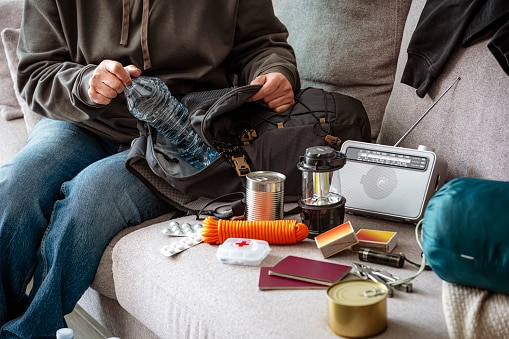
Many aspects of preparing for an emergency when you have hearing loss are the same as when you don’t. You need to pack supplies such as extra water, first-aid kits, canned food and other essentials. However, there are a few additional things that people with hearing loss need to take into consideration, including:
- Packing extra supplies. Packing an emergency kit is like getting car insurance; you hope you’ll never have to use it, but it’s comforting to know it’s there. People with hearing loss should include extra supplies in their emergency preparedness kit. Your supplies may vary depending on the severity of your hearing loss, but common examples include extra hearing aid batteries or chargers, electric dryers or drying jars, a pen and paper to help you communicate with emergency responders or your family, an emergency radio or TV with captions, a waterproof container to protect your hearing aids and other electronic supplies and a medical ID listing your hearing loss, emergency contacts and other important information.
- Alternative alarms. Smoke or fire alarms, extreme-weather radio warnings and other noise-based alert systems may be inaccessible to people with profound hearing loss. Install visual alarms in your home, like flashing alerts, to ensure that you don’t miss important information that helps you stay safe. Emergency text alerts sent straight to your phone are a great option.
- Talk to your neighbors. If there is an emergency in your neighborhood, it always helps to have a neighbor or close friend who can help you communicate with emergency personnel. Ask someone near your home if they would be willing to step in or check on you in the event of an emergency.
- Know your risks. Certain areas have specific risks. For example, some homes lie in flood zones or are more likely to lose power in a snowstorm. Understanding the risks specific to your home is an excellent way to prepare for emergencies. You can find more information on preparing for Grapevine emergencies here.
In addition to the above tips, you should also schedule regular hearing aid service appointments.
How Hearing Aid Service Appointments Help Keep You Safe
The amplified speech and improved background awareness that hearing aids provide are invaluable in an emergency. Scheduling regular service appointments will ensure your devices stay well cared for and ready to help you in any scenario that comes your way. For more information or to schedule your service appointment, contact Heard It Through The Grapevine Audiology, PC today.