If you think your hearing is changing and you’re not sure why, the answer often starts in the inner ear. Many cases of hearing loss occur when delicate structures in the inner ear are damaged over time, making it harder for sound to reach the brain clearly. The good news is that hearing testing can help identify what’s happening and guide your next steps.
According to the National Institute on Deafness and Other Communication Disorders (NIDCD), hearing depends on a series of complex steps that convert sound waves into electrical signals that travel to the brain through the auditory nerve. When part of that system is damaged, hearing can become muffled, distorted or more difficult in certain situations.
Common Causes Of Inner Ear Damage
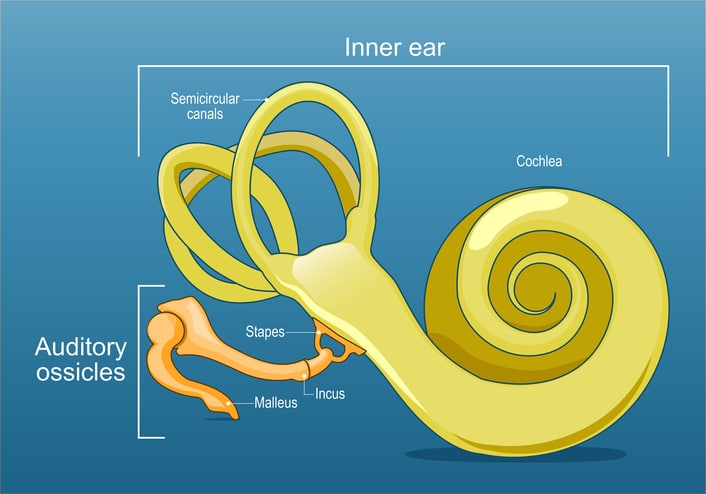
Sometimes the cause is obvious. Other times, it develops so gradually that it’s easy to miss.
Inner ear damage may be linked to:
- Natural age-related changes
- Long-term exposure to loud noise
- Certain medical conditions, including diabetes and high blood pressure
- Some medications that can affect hearing
- Genetic factors
Signs of Hearing Loss
Hearing loss affects people differently, but common signs include:
- Frequently asking others to repeat themselves
- Difficulty understanding speech in noisy environments
- Turning up the television volume more than before
- Trouble hearing higher-pitched voices
- Feeling as though people are speaking clearly, but the words aren’t distinct
You might notice small clues first. Maybe conversations at Oldwest Cafe feel exhausting. Perhaps family members seem to mumble more than they used to. Many people assume it’s everyone else talking too quietly, then they realize the pattern follows them wherever they go.
Can An Inner Ear Hearing Loss Be Treated?
While damaged inner ear hair cells cannot be restored, hearing loss can often be managed successfully with hearing aids. We’ll start with a comprehensive hearing evaluation to determine the type and severity of your hearing loss. Next, if the permanent damage is significant enough to require treatment, we’ll fit you for hearing aids.
If you’ve started noticing changes in your hearing, you don’t have to keep wondering why conversations seem harder than they used to be. Schedule your hearing test and treatment consultation with Heard It Through The Grapevine Audiology, PC today.
Sources
National Institute on Deafness and Other Communication Disorders. “How Do We Hear?” https://www.nidcd.nih.gov/health/how-do-we-hear